Baggy Jeans Manufacturer
You just choose any blank wholesale baggy jeans styles for your customization, and we will take care of the rest. Explore our top-selling styles of custom wholesale baggy denim jeans with your logo! Step into a world of endless possibilities as you browse through our carefully curated selection of wholesale denim jeans, each ready for your personal touch. We pride ourselves on being your premier custom wholesale denim jeans manufacturer. Behind every meticulously crafted pair of jeans is a dedicated team of experienced engineers, innovative designers, skilled sales consultants, and production experts—all committed to turning your vision into reality. With state-of-the-art equipment and rigorous quality testing, we ensure that every stitch, cut, and detail meets your standards of excellence.
-

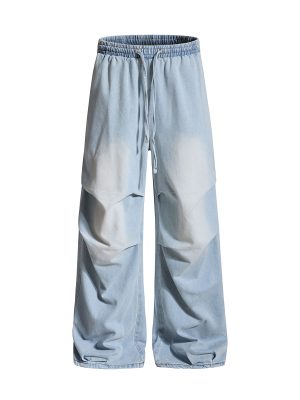
E6697 Men’s 10.8 OZ Laser Etching Elastic Waist Baggy Parachute Denim Jeans
-
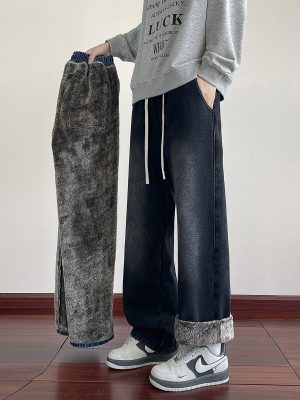
LL693R1 Men’s 11 OZ Elastic Waist Winter Fox Fleece Lined Jeans
-
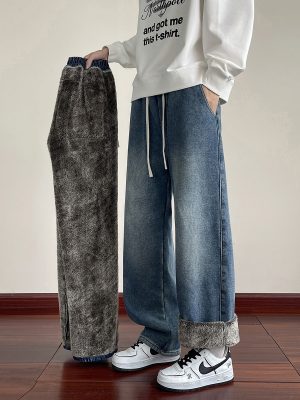
LL693R1 Men’s 11 OZ Elastic Waist Winter Fox Fleece Lined Jeans
-
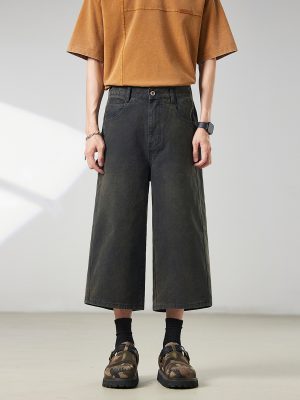
721 Men’s Dyed Back‑half Elastic Waistband 8/10 Length Cropped Jeans
-
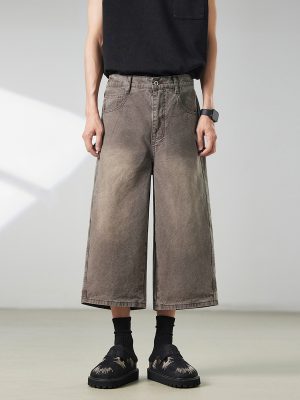
721 Men’s Dyed Back‑half Elastic Waistband 8/10 Length Cropped Jeans
-
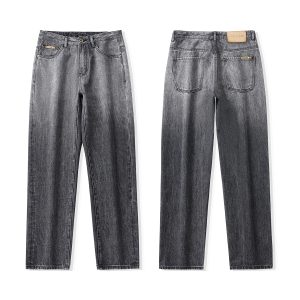
Men’s 13.5 OZ Enzyme Stone Ombré Wash Regular Straight Jeans
-
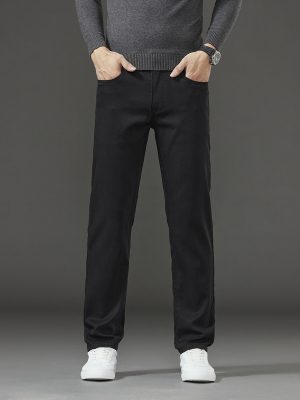
1067 Skinny Jeans
-
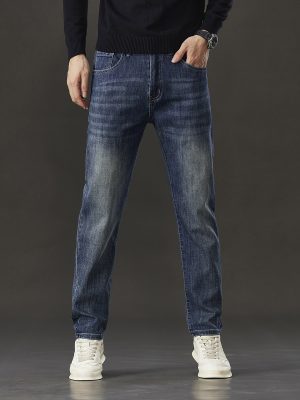
1048 Skinny Jeans
-
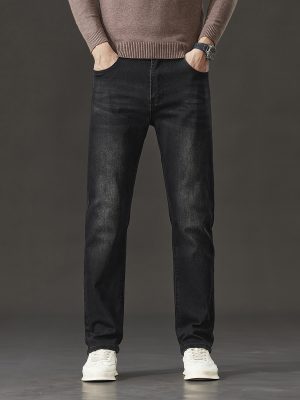
1048 Skinny Jeans
-
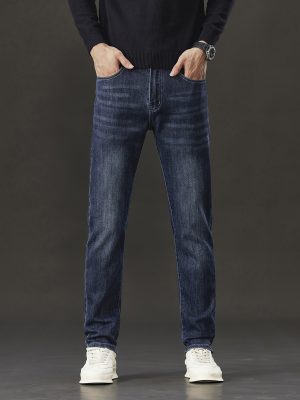
1048 Skinny Jeans
-
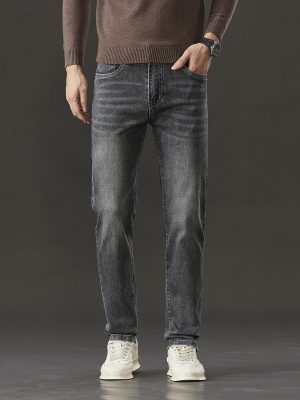
1048 Skinny Jeans
-

1048 Skinny Jeans
-
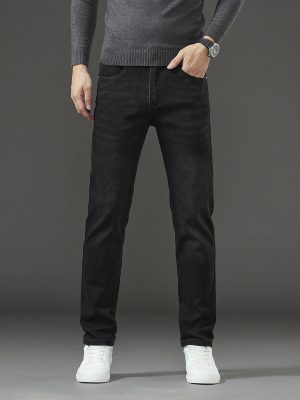
759 Skinny Jeans
-
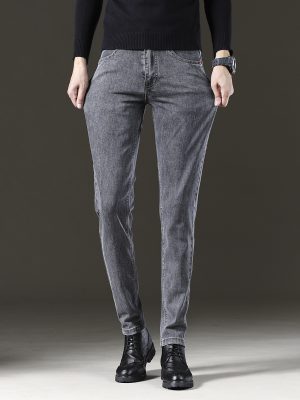
1982 Skinny Jeans
-
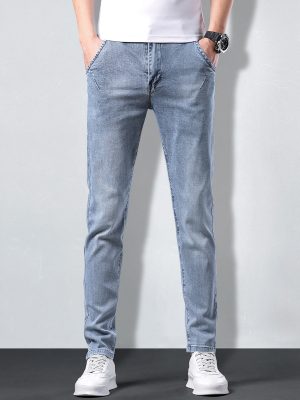
1987 Skinny Jeans
-
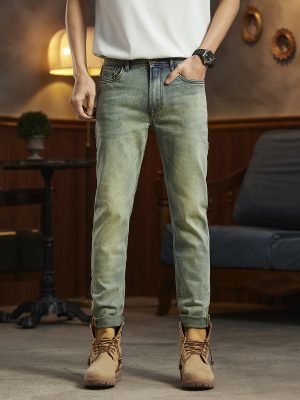
375 Skinny Jeans
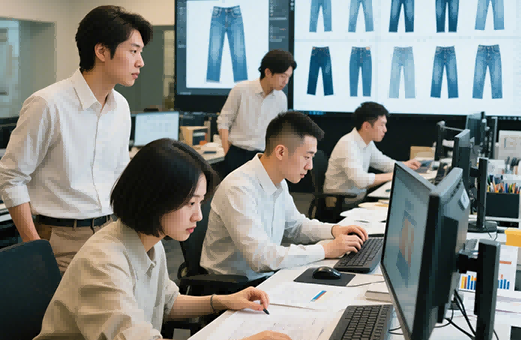
Guangzhou Xinbang Garment Co., Ltd.
With 20+ years in OEM/ODM and Jeans manufacturing for denim jeans, jackets, shirts, and shorts, our products meet international standards and are valued globally.

XINBANG Years
20 years garment production experiences
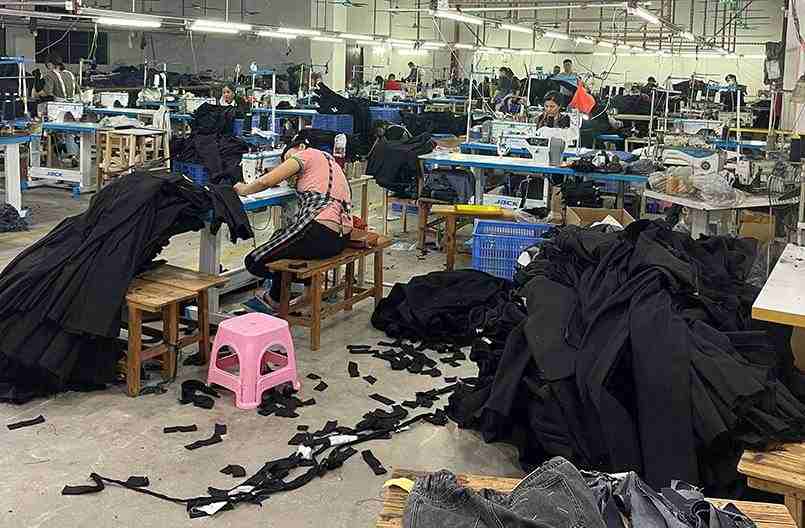
XINGBANG Jeans manufacturer & suppliers
4000 square meters of jeans manufacturer Approx 100 sets of Machines
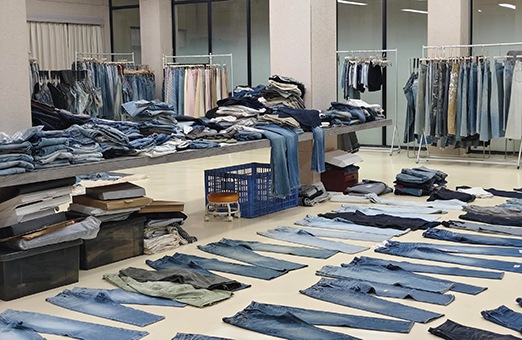
XINBANG Exhibition hall
Custom Wholesale jeans manufacturer Develop 600+ jeans styles new sample per month
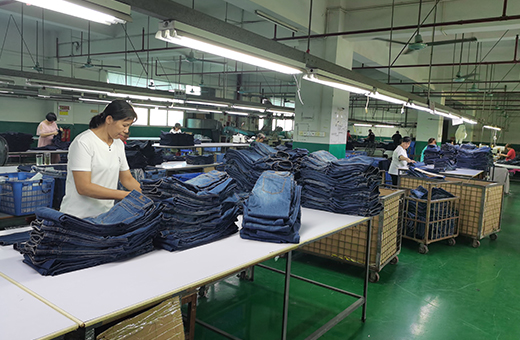
Jeans Factory Output
100K pcs/per month jeans Produced 300 styles jeans bulk orders per month
XINBANG Jeans Factory Workers
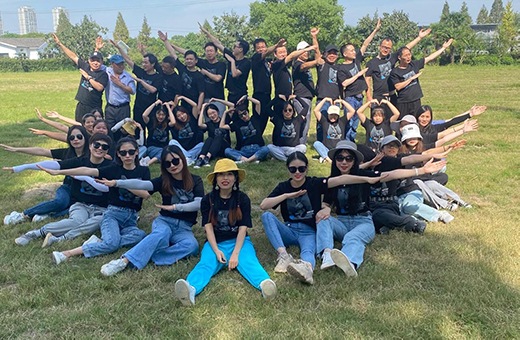
Jeans factory 100+ workers Jeans factory have a 20-person team crafts denim prototypes

XINBANG Packing Room
The Goods is aready
Fabrics Used To Make Baggy Jeans
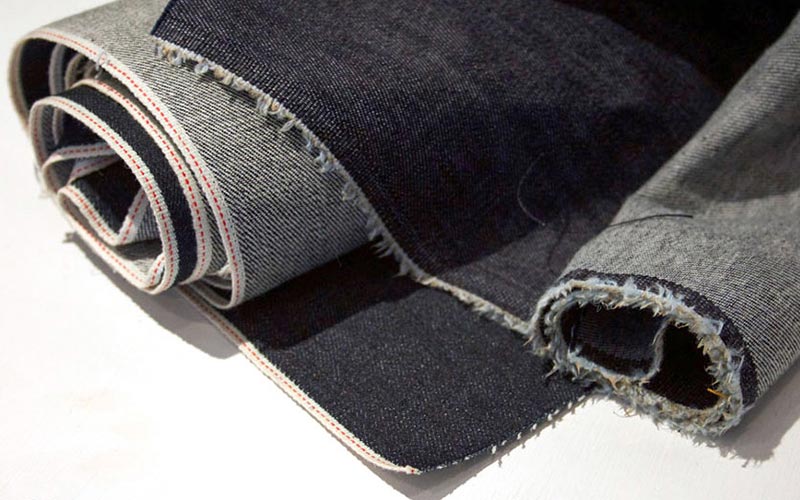
As your trusted branded denim jeans manufacturer, we know that high-quality denim is essential for crafting the perfect pair of jeans. We understand the common pain points in denim production—issues like insufficient durability, post-wash shrinkage, wear and tear, color fading, and the challenge of balancing stretch with comfort. To address these concerns, we offer a range of carefully engineered denim fabric solutions that provide lasting strength while meeting your requirements for sustainability, cost-effectiveness, and customization. Let us guide you through essential fabric insights, empowering you to make smart decisions when tackling manufacturing challenges. Trust us to be your reliable partner on the journey to creating the ideal pair of jeans.
Raw Denim Fabric
Strengths: Process stability and high durability : Raw denim maintains the most original indigo dyeing and dense structure. The production process is mature, the fabric is stiff and wear – resistant, and it is suitable for creating classic products. Personalized break – in effect : After being made into clothes, the natural fading and wear caused by wearing can give the product a unique user story, meeting the market’s demand for personalized customization and a sense of time – honed. Clear market positioning : It is suitable for product lines that focus on traditional denim craftsmanship and retro styles, and can form a unique “raw texture” selling point for the brand. Weaknesses:High consumer education cost : The fabric is relatively hard when first worn, and users need a certain break – in period, which may be a usage barrier for some consumers. Strict quality control requirements : In the wholesale production process, it is necessary to ensure the consistency of dyeing and weaving to avoid product instability caused by differences in raw processes. Inventory risk : As consumers’ habits gradually shift towards ready – to – wear and comfortable products, the product sales cycle may be longer, and inventory management needs to be more refined.
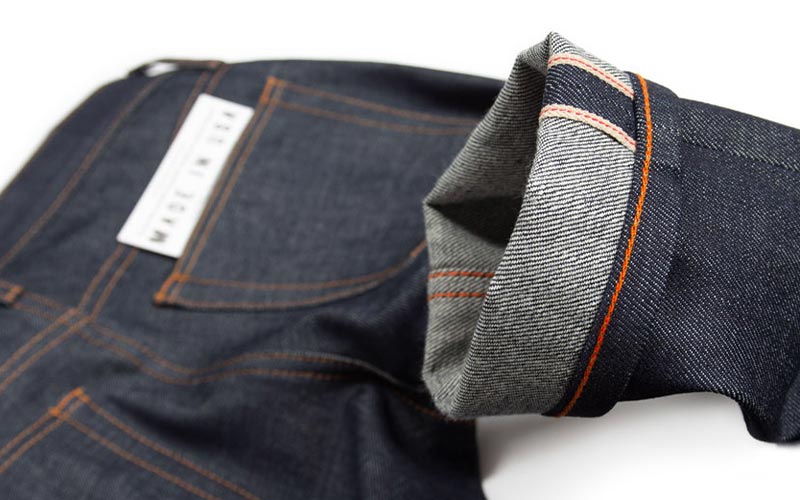
Raw Selvedge Denim Farbic
Strengths: Quality & Craftsmanship: Selvedge denim is made using old-style shuttle looms, resulting in a narrow fabric with a self-edge. This edge is often red, hence the name “selvedge” or (red ear). It’s a mark of quality and craftsmanship, appealing to denim enthusiasts. Durability: Like raw denim, selvedge denim is highly durable. The tight weave and high-quality cotton make it long-lasting. Unique Fade Patterns: Selvedge denim, especially when made with indigo dye, develops unique fade patterns over time. The indigo dye only colors the outer layer of the yarn, leaving the core white. This creates a beautiful contrast as the denim fades..Weaknesses: Higher Cost: The production process of selvedge denim is slower and more labor-intensive, making it more expensive than regular denim. Limited Availability: Selvedge denim is not as widely available as regular denim. It’s often found in niche markets and specialty stores. Longer Break-In Period: Selvedge denim is often stiffer and requires a longer break-in period than regular denim. This might not be suitable for everyone.
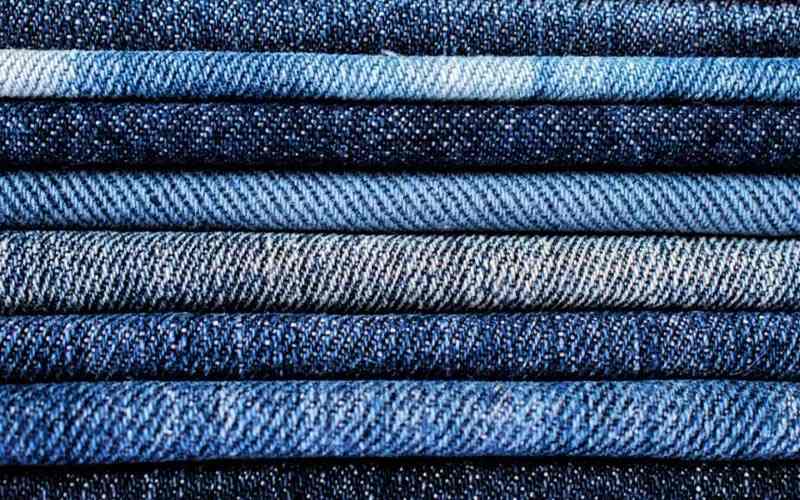
Washed Denim Farbic
Strengths: Soft & Comfortable: Pre-washed fabric is more flexible and comfortable from the start, making it a safe bet for broad market appeal. Trendy, Distressed Looks: Offers various wash effects, from vintage fades to heavy distressing, aligning with current fashion trends. Stable Production Process: Large-scale manufacturing is relatively standardized, ensuring consistency across batches. Weaknesses: Increased Production Costs: Additional washing and finishing steps add to manufacturing expenses, which can affect pricing strategy. Color Variability: Due to wash processes, achieving 100% color consistency can be challenging across production runs. Environmental Concerns: Some wash treatments involve chemicals and excess water use, requiring eco-friendly alternatives to meet sustainability demands.
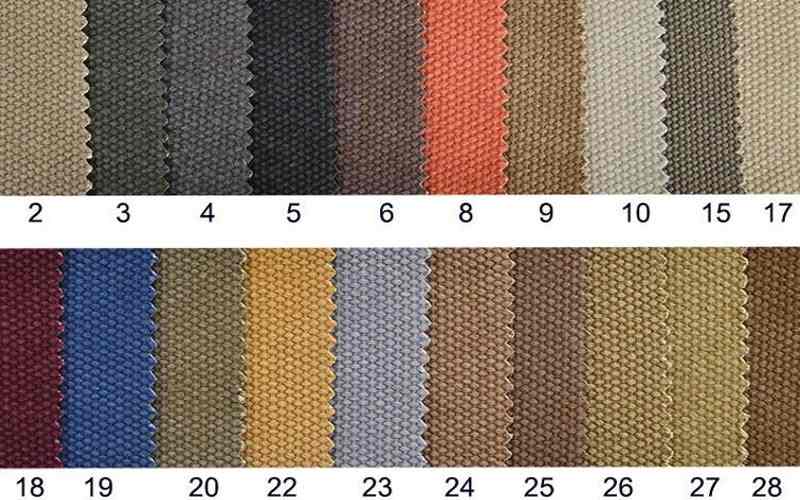
Bull Denim (Canvas)
Strengths: Tough & Durable: Heavier weight and tighter weave make it highly resistant to wear and tear, ideal for workwear or structured jeans. Easy to Dye & Customize: Takes dye well, allowing designers to introduce rich, deep colors without excessive processing. Cost-Effective: Since it’s a staple fabric with a well-established supply chain, pricing is generally competitive. Weaknesses:Lacks Stretch: Pure cotton bull denim has little to no stretch, which can limit comfort and flexibility compared to stretch denim blends. Heavier Fabric Weight: The dense structure can feel less breathable, making it less suitable for warmer climates or lightweight styles. Simple, Less Fashion-Forward: Without additional treatments or finishes, bull denim can appear basic, requiring design enhancements (prints, coatings, embellishments) for trendier looks.
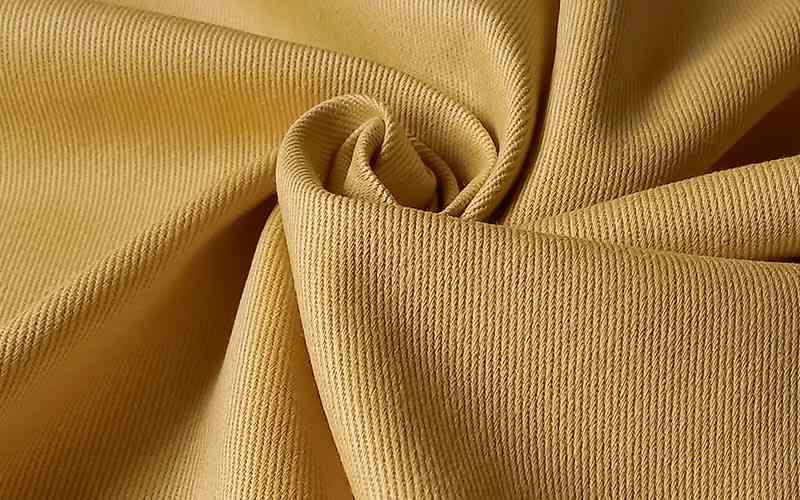
Cotton Twill Fabric
Strengths:Classic process and stable reliability : The production process of twill fabric is mature and standardized, the supply chain is stable, it is suitable for mass production, and it ensures product consistency. Wear – resistant and easy to maintain : Its woven structure is dense, wrinkle – resistant, wash – durable, and can meet the needs of daily large – area use, reducing the risk of returns and complaints. High cost – effectiveness : The overall production cost is low, suitable for price – sensitive product lines, and also provides designers with good profit margins and flexible pricing space. Weaknesses:Limited design innovation space : The traditional twill process is relatively monotonous in appearance, and it is difficult to meet the demand of some consumers for personalized and fashionable elements. It may need to be compensated through printing or splicing processes in the later stage. Relatively insufficient comfort : If elastic fibers are not added, some twill fabrics may be slightly inferior to washed denim that has been specially treated in terms of softness and fit. Fierce market competition : Due to the low cost and mature process, there are many similar products on the market. Designers need to highlight differentiation through style and detail design.
Services
Provide you with one-stop professional services such as denim jeans consultation, design, sampling, production, quality assurance, etc.

Custom Design Services
One-to-one design sketch, 3D sample design, until the customer is satisfied.

Customized Fabrics and Crafts
More special fabrics and crafts are provided to create more special streetwear for your trendy brand.

Flexible Production Capacity
Accept small batch orders of 30MOQ, with 10 batch production capabilities, and can undertake large batch orders.

Quality Assurance System
Eight quality inspection processes, including fabric testing, color fastness testing, finished product appearance testing, etc.

Supply Chain Management and Resource Integration
Established a long-term cooperative relationship with suppliers, and can flexibly allocate production resources according to order requirements.

Efficient Communication and Customer Support
Customer exclusive service team, transparent quotation and order tracking system.

Product Innovation and Technical Support
Introduce new technologies to achieve complex designs and improve production efficiency. Provide a variety of functional fabrics to meet customer

Environmental Protection and Sustainable Services
Provide environmentally friendly materials, meet the requirements of green manufacturing, and have international environmental protection related
5 Steps of Quality Inspections
Raw Material Inspection
Confirm the fabric weigh, components and hand feeling whether the customer needs, and check quality of fabric whether any defects and damage pieces.
Cutting Fabric Pieces Inspection
Confirm the cutting size, shape, style are accurate by customers needs, check whether the defected pieces like: holes, tears, stains, color yarns ect.
Sewing Threads Inspection
Check the sewing stitching whether flat and smooth, whether the edges and thread ends cleaned ect.
Accessories Producing Inspection
Check the processing accessories whether the position are correct, whether the color and size are consistent with matching style/color.
Finished Product Quality Inspection
Check whether the size and color are meets the clients requirements, whether the finished product have any uncut threads ect.